

What Jobs Can You Do Working From Home?
37 Home Based Jobs You Can Do While Working From Home
There are lots of ways to earn money as a mum, regardless of if you’re looking to supplement your existing income or looking to start bringing money in after maternity leave.
And no, we aren’t talking about small change here, these are real home based opportunities for mums.
With the UK currently not showing any signs of following the Scandinavian countries in their approach to flexible working, many of us working mums have to turn away from traditional employment and find jobs working from home.
The good thing about the internet is that there is never a shortage of home based jobs for mums who want to bring in an income.
No matter your skill, there will be a home based job for you; you just need to go out and find them.
If you are looking for more home working ideas then have a look at:
101 Genuine Work From Home Jobs in the UK – This gives you loads of work from home ideas. Not all of them need experience and can all be done around the kids.
31 Work From Home Jobs for Mums – These are great work from home jobs that all mums can do. These can be done part-time or around the kids.
17 Ways to Make Money Online in the UK – These give you quick and easy ways to make money from home.
7 Typing Jobs From Home That All Mums Could Do – These are great typing jobs that any mum can do from home around the kids.
Money Saving Printables
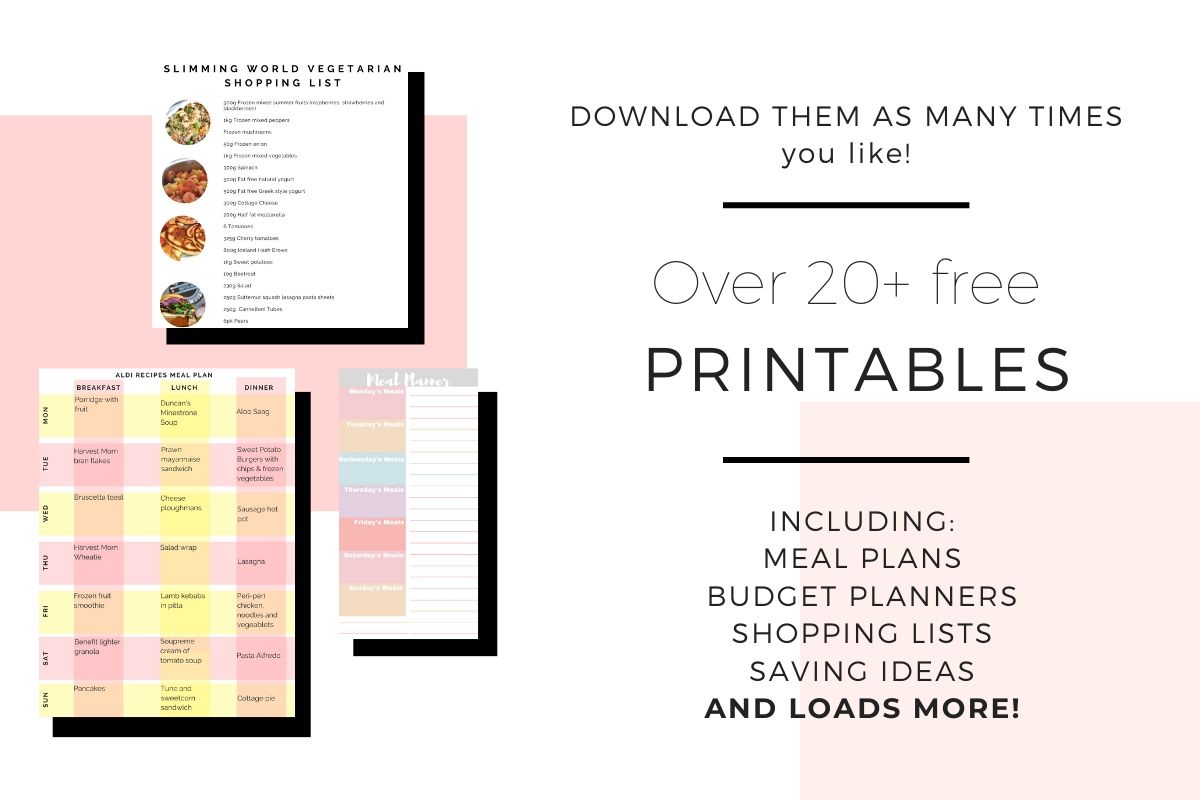
If you are looking for money saving printables then come join our free Resource Vault. It’s packed full of cheap meal plans, shopping lists and other ideas on how to make money. You can print these out as many times as you like.
Join our free Resource Vault here
(By joining giving us your email address you are consenting to us emailing you about our other travel, home and lifestyle ideas. You can unsubscribe at any time by clicking the link at the bottom of every email.)
How can I actually work from home?
Many stay at home mums fear being scammed while working mums don’t want the hassle of declaring their extra income to HMRC.
But if you’re willing to jump through a few hoops and do a bit of research, then permanent home based working can be amazing and offer flexible hours.
If you decide to do any of these freelance then there may be a few outlays at the start but nothing compared to a normal bricks store. The top 5 things you’ll need to go freelance are:
A domain name
This is your www. name that people will search for. Try and think of a name that matches your business or that you think your customers will be searching for. Have a look on social media and Google to check that no one else has it. You can check and purchase domains easily using a site like Lyrical Host, who we buy ALL our domains from.
If you use our link here to Lyrical Host and buy a domain then you can get 10% off using our code S4SM10.
Web hosting
These are the people that will host your website on their server. You want a company you can trust. We’ve used many over the years but Lyrical Host are a good place to start when you need your online store hosting*. You get 10% off by using our code S4SM10.
A website
We use WordPress because it’s the easiest platform to use and gives you total freedom. There are so many YouTube videos on how to start out if you are unsure but just pick and theme and get playing with it. There are many ways you can earn income if you familiarize yourself with this platform. Read this article on how to make money with WordPress to get a better idea.
Social media
Set up Facebook, Twitter and Instagram first then think if you need Pinterest, Snap Chat and TikTok.
Email campaign provider
This is a great way to keep your customers involved with what’s going on and to let them know of any new services or products you are selling. Set it up early even if you don’t plan to email anyone. We use Mailerlite as they have great customer service and easy to build email templates. (Remember to check the ISO website for GDPR guidelines.)
Then depending on which business below you decide to do will come with a few more costs.
Keyword research
Keyword research is vital to knowing what to write about. It gives you a clear idea on how different words are searched and how versatile the word is from an audience point of view. We use SEM Rush to do all our keywords and SEO research for all our websites. It is not cheap, but it gives data on our website health and what other websites like ours are doing.
If you would like to try SEM Rush for free for 7 days, then please use our link here.*
Read our guide here on SEO for beginners and why it is important to get it right from the start.
How to find remote jobs as a beginner?
It’s hard to find a remote job quickly so start by making sure that you have a portfolio and reviews that you can show people. You can do this by freelancing or gigging to get reviews and some referrals. This will show any future employer what you can do if you went to work for them.
Are remote jobs worth it?
Having a remote role means that you can work from home and have a little bit more flexibility. It also means no commuting which means more time with your family. Remote jobs are worth it but you have to prove that you will do your job just as well at home as you do in the office.
What real jobs can I do from home?
There are loads of real jobs you can do from home that are not scams. We have listed them in more detail below but they are:
- Blogging
- Customer Service Representative
- Affiliate Marketing
- Virtual Assistant
- Data Entry Clerk
- Social Media Manager
- Freelance Writer
- Marketing Manager
- Childminder
- Pet sitter or walker
- Cleaner
- Painter or handyman
- Photographer
- Tutor
- Dropshipper
- Proofreader
- Transcriber
- Mystery Shopper
- Home travel agent
- Telesales
How to earn money working from home in the UK?
There are loads of ways to earn money or a side hustle in the UK. We do most of these ourselves and earn anything from £150-£500 a month extra.
Our favourites are:
- Matched betting
- Cashback websites
- Surveys
- Selling unwanted items
- Selling handmade products
- Rent out your garage
- Mystery shopping
- Testing websites
- Rent out your driveway
- Sell your photos
What jobs can I do at home in the UK?
These are homebased jobs that you can do freelance or in an actual employed role. Many of these you need very little experience for or any qualifications but you may need a portfolio to proof that you can do the job.
Some of these jobs will mean setting up your own business but some are employed roles that you can find on genuine job boards.
1. Blogging
Blogging can be a great hobby, but also a very good way to earn money and go places with your family that you’ve never even dreamed of before.
You need to find a topic that you are passionate about. Don’t worry if you don’t enjoy writing, you can vlog on YouTube or even just start with a Facebook page.
The good thing about blogging is that you can start for free and earn money in a load of different ways like advertising, through sponsored posts (this is where a brand asks a blogger to write about their branded products), affiliates (where someone buys something after a blogger has written about them), products and courses.
You can start a blog really quickly and easily but will need a domain name, host and website which you can sort yourself quickly. We use WordPress to build Savings 4 Savvy Mums and Lyrical Host for our domain name. They also offer hosting too and with our code S4SM10 you can get 10% off.
Don’t forget to sign up to a email marketing provider. Many offer you a free service till you hit a certain amount of subscribers. This is a great way to keep all your readers involved in what you’re working on. We use Mailerlite as they offer a great customer service and are very easy to use!
You can also read about how we set up our blog here, which also gives you a step by step account.
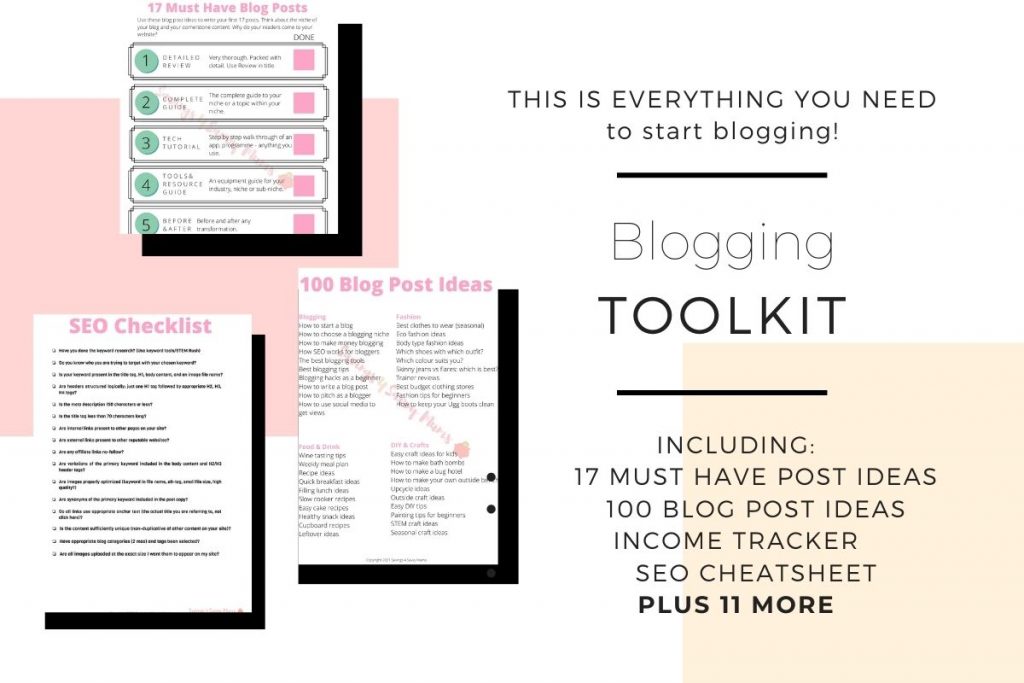
We have a Blogging Toolkit that can help you get started:
- 17 blog post ideas to get you started
- 100 blog ideas to continue getting traffic
- Accounts spreadsheet
- Affilate tracker
- income tracker and much more!
View our Blogging Toolkit here that can help you to start and get your first readers.
2. Affiliate Marketing

Affiliate marketing is when you sell something on behalf of someone else and get a commission. You advertise someone else’s products and services and when someone buys, you receive a small percentage.
There’s a lot of affiliate programs out there, so whatever you’re interested in, you’ll be able to find a scheme for it. It does take a while to build but affiliate marketing is a great passive income earner meaning you only have to set it up once and you’ll keep receiving income.
Our favourite places that we’ve signed up for and that pay out quickly are:
- Awin: Awin offers a global affiliate marketing scheme that has some big Uk and global brands. they pay out quickly and are easy to use. Join Awin for free here to start your affiliate journey*.
- Impact: with out 1000 brands on their books, Impact is a great affiliate management program. You can easily see the programs and how much you have earned. Join Impact for free here.
- CJ Affiliates: CJ has some great brands and an easy to use link system so you can quickly link to the products you would like to advertise. Join CJ Affiliates here.
Remember to research the rules on declaring the links.
3. Selling Your Own Products

Completely home based, selling your own products can be very profitable, especially if you source your products from overseas.
It does take a bit more work than a bricks store, but without the overheads, you can receive a more higher profit.
Start by researching the products you want to buy and see if there is a market for it. Think about where you will store the items and how much will it cost to ship them.
There are so many places you can sell your own products. Our favourites are:
- Esty: Esty is a market place that you can sell your own products on. People leave reviews of your products and you can post as many products as you like. They offer great small business support and you can sell from as little as 20 cents a product. Find out more about Esty here and how they help small sellers.
- Amazon: If you have a product, then Amazon is the best place to sell it. You do need to jump through a through hoops though to make sure your product is safe etc. Look at Amazon’s website here for more details.
4. Reselling

Reselling on sites like eBay or Facebay is becoming more popular. You can start by just selling your kids outgrown clothes or toys then start buying products in to sell.
You can search your products cheaply from car boot sales, charity shops and auctions.
It’s best to start by looking at the marketplace sites and seeing what sales for what.
You could also look at pallets returns UK. This is when you buy a pallet of returns from a major reseller and then sell on the contents for profit. Some of the items may be great and some may not.
We have made over £1000 already by selling all the clothes we no longer wear and the toys the kids no longer want to play with.
Our favourite resellers are:
- Vinted: We love Vinted! It is an easy app to use and free for sellers to list items. The great thing is that you can also sort shipping through the app and then send. You can sell most things on Vinted from books, to clothes, to shoes and to toys. Look at Vinted here to start selling.
- eBay: You can pretty much sell anything on eBay from electronics to books and toys. It is easy to upload your items and they have a feature that hekps you ship your items if you need it.
5. Photography

There’s so much you can do if you are a photographer.
You can either sell your photos online with a licensing agreement or show your services.
Both make good money, but the first one can make you passive income while the second you will need to actively find clients.
We have sold our photos on:
- Shutterstock: You can sign up for a free Shutterstock account and start selling your pictures straight away. Learn more on how Shutterstock works to sell your photos.
- iStock: iStock is a great website to sell your photos on.
- Adobe Stock: You can earn up to 33% royalty for images that you upload. They must be yours and completely unique.
6. Childminder

Registering as a childminder is a great work from home entry job that anyone can do. You can look after your own kids while looking after others, all from your own home.
The downside is that there is a lot of admin and after hours work needed, but it does mean that you can work for yourself and pick your own days and hours.
If you do plan to become a childminder then there are a few things you need to do.
This includes:
- Registering with Ofsted: If the children you are looking after are under 8, you look after them for more than 2 hours a day in your own home and you get payment, or any payment in kind then you must register. Get more information on registering for Ofsted here.
- You do not need to register if you are a nanny, a tutor, a babysitter or a family friend who looks after a child for less than 3 hours a day.
7. Dog Walker

Being a dog walker can be a very rewarding job. You get to look after these beautiful animals and make sure that every need is met.
Becoming a dog walker is an increasingly popular choice for those seeking flexible employment that aligns with their love for animals. So, how do you become a dog walker? First and foremost, it’s essential to understand the responsibilities involved. This job requires not only a passion for dogs but also reliability and trustworthiness. Many dog owners are looking for someone who will treat their pets as if they were their own.
Why is being a paid dog walker such a good job? For starters, it offers flexibility in your working hours, allowing you to choose when you want to work. This can be particularly appealing for parents or those balancing other commitments. Additionally, it’s an opportunity to spend time outdoors and stay active while earning money doing something you enjoy.
As for qualifications needed to be a dog walker in the UK, there are no formal requirements; however, having experience with dogs is invaluable. Completing courses in pet first aid or animal behaviour can set you apart from others and provide peace of mind to potential clients.
Anyone with a genuine love for dogs can become a dog walker—whether you’re retired, a parent, or simply looking for extra income on the side. The key is to demonstrate your commitment and understanding of canine needs. With the right approach and attitude, this role can be incredibly rewarding both emotionally and financially.
How to start a dog walker business:
- Start by making sure that you are covered correcting with the right insurance. You will need public liability insurance and professional indemnity insurance. These protect you in case something happens while you are looking after someone else’s dog or pet in their own home. Start by looking at a company like AXA who offer all around protection*. Again, please make sure that you read the fine print to check that the insurance you pick works for what you need it for.
- Now you need to advertise. You could do this by setting up a Facebook page or your own website. We use WordPress through Lyrical Host which offer a cheap monthly charge to host your website. Use our code S4SM10 to get 10% off your first month*.
- Once you have your first client, start to ask for reviews or referrals. This is an easy way to get new clients just from your current clients talking about you.
- Remember to register with HMRC for your self assessment tax return. The HMRC website states that “If you were self-employed as a ‘sole trader’ and earned more than £1,000 (before taking off anything you can claim tax relief on) then you must fill in a self assessment. Please read the website carefully to make sure that you have applied within the correct time frame.
8. Iron
This is a great way to work from home as a mum around the kids and still make money. This is a great gig that you can start around another side project. Most people dislike ironing and if you like it, then it is worth making a business out of it.
How to start an ironing service and what to charge?
- Like above, make sure that you have the right insurance as anything can happen in your home. you could accidentally burn your customers favourite shirt or iron someone’s suit incorrectly. Having insurance means that you are covered for all and any issues. You can use AXA above or even check your own home content insurance as some might cover working from home. It’s better to check and see what you are covered for.
- You will need a good iron and ironing board. Make sure you have clothes covers to protect those important items like shirt jackets. You may also need hangers and a hanging rail to hang the items while you wait for your customers to collect. Many people also swear by distilled water in their iron to help press better.
- You could offer other services like collection and delivery for an extra cost. Work out how much is costs you in time and petrol for this to make sure you are not out of pocket.
- How much you earn is up to you. You can base it on an hourly basis so start from £12-£15 an hour. Most people like to charge per item, so 50p or £1 an item or per KG which could be £15 for 3kg for example. Work out how much time 1kg of clothes will take you and work it out from there.
- You can set up your own business or try and find an ironing agency. Both work well. An agency will take a cut of your profits though so that is something to think about, while working for yourself means that you are in control but you do have to think about self assessment and promoting yourself.
9. Painting and decorating

Painting and decorating is not just a job; it’s a rewarding career that offers both creativity and stability. If you’re wondering how to become a painter and decorator, the path is more accessible than you might think. While formal qualifications can enhance your prospects, many successful painters start with hands-on experience, allowing them to learn the trade while earning.
Why should you consider being a painter and decorator? The answer lies in the diverse opportunities available. From residential projects to commercial contracts, skilled painters are always in demand. Additionally, this profession allows for flexible working hours and the chance to express your artistic flair through various styles and techniques.
To embark on this career, certain qualifications can be beneficial but are not strictly necessary. Many employers value practical skills over formal education. However, obtaining certifications such as NVQs or City & Guilds can set you apart from others in this competitive field.
The beauty of this profession is its inclusivity—anyone with an eye for detail and a passion for transforming spaces can succeed. Whether you’re starting fresh or looking to switch careers, all you need is dedication and willingness to learn.
In terms of what you need to be effective in this role, having quality tools—such as brushes, rollers, ladders—and knowledge of different materials will serve you well. A keen understanding of colour theory and design principles will also elevate your work from ordinary to extraordinary.
Make sure you look at the National Career Service for advice on how to start. Please don’t be put off thinking that you need loads of tools or loads of experience. You really don’t!
Make sure you have all the essentials before you start which are:
- The right insurance! You will need public liability insurance and professional indemnity insurance. You need this if you are self employed as you never know what could happen while you are in someone else’s home. Start by looking at a company like AXA who offer all around protection*. Again, please make sure that you read the fine print to check that the insurance you pick works for what you need it for.
- Register with HMRC as self employed or if you are working for someone else, then make sure that PAYE is set up so you are paying the correct tax.
10. Tutoring

Tutoring is a great work from home job for mums who want to supplement their income part time. It can be an incredibly rewarding pathway, both personally and professionally. If you’re wondering how to become a tutor, the process is relatively straightforward. First and foremost, you need to identify your area of expertise—whether it’s academic subjects like maths or English, or skills such as music or art.
For starters, it offers flexible working hours that can easily fit around your schedule. You have the chance to make a real difference in students’ lives by helping them grasp challenging concepts and build confidence in their abilities. Moreover, tutoring can be quite lucrative; many tutors charge competitive rates for their services.
As for qualifications, there are no strict requirements; however, having relevant experience or educational credentials can significantly enhance your credibility. A degree in your subject area or teaching experience can set you apart from others.
Anyone with expertise and passion for teaching can become a tutor! Whether you’re a parent yourself looking to earn some extra money or an experienced educator seeking more flexible opportunities, tutoring could be the ideal fit.
What you need to get started as a tutor
- To get started, you’ll need some essential tools: reliable internet access if you’re offering online sessions, teaching materials tailored to your subject matter, and effective communication skills to engage with students effectively. Microsoft Teams is free to use and has a recording feature if your student likes to re-watch the class. For help with subject materials, we have used Twinkl which offers great primary resources in all subjects and White Rose Maths for senior school pupils.
- Most tutors charge anything from £15 – £25 an hour depending on the subject and experience. in my area, Maths tutors are needed so they charge up to £35 an hour. This does include workbooks, and direct help with any homework that the student may be struggling with.
- If you would prefer to be with an agency instead of becoming self employed, then you can teach students around the World. We have worked with MyTutor, but they can take a while to approve and I think they are aimed more at university students than parents or experienced people in the subject. We have also worked with Tutorful but they do require some experience in the subject matter and Online ELAT tutor which is a good place to look at if you are looking to work beyond the UK.
11. Handyman/woman

Becoming a handyman is not just a viable career choice; it’s an opportunity to turn your skills into a rewarding profession. The path is relatively straightforward. While formal qualifications are not strictly necessary, having some basic certifications in plumbing, electrical work, or carpentry can certainly enhance your credibility and attract more clients.
Being a handyman or woman offers flexibility—allowing you to choose your hours and projects. This role also provides the satisfaction of solving problems and helping people maintain their homes. Moreover, with an ever-growing demand for skilled tradespeople, job security is higher than in many other fields.
What qualifications do you need to be a handyman?
While specific certifications aren’t mandatory, obtaining NVQs (National Vocational Qualifications) or similar credentials can be beneficial. Additionally, courses in health and safety practices will make you more appealing to potential clients.
Who can be a handyman?
The beauty of this profession is that it’s open to anyone with practical skills and a willingness to learn. Whether you’re transitioning from another career or simply looking to monetise your DIY skills at home, there’s room for everyone.
How to get started as a handyman?
To get started as a handyman, you’ll need essential tools like screwdrivers, hammers, drills, and safety equipment. Building up your toolkit gradually will ensure you’re well-prepared for various tasks—from minor repairs to larger renovation projects.
How to find your first client
- Start by looking at the National Careers Service which can give you an in-depth guide into what you need to be a successful handyman.
- Once you have the correct insurance, start by asking your friends and family if they need any help. Make sure you have a Facebook page or website so that people can add reviews.
- Make sure you keep track of any money and invoices you are handing out. This is so important if you are self employed! Keep everything for when you need it for your self assessment.
12. Virtual Assistant

A virtual assistant is someone who works from home, who can perform all the nitty gritty admin jobs that a client needs remotely.
This could be any admin task and is normally a high paying job with no experience needed. You could be doing anything from scheduling social media to creating marketing images to just answering emails or amending spreadsheets.
A Virtual Assistant is useful for any size business, and as someone who’s worked both sides, as an employer and employee, most Virtual Assistants are very flexible and work on an hour by hour payment basis.
You don’t have to have any secretarial experience, as many Virtual Assistants specialise in something. Have you got marketing experience? Social media knowledge? Are you organised? Most Virtual Assistant can earn up to £25 an hour.
It’s really simple to become a Virtual Assistant, and set up takes about half an hour.
My 5 top tips for setting up as a Virtual Assistant are:
– Set up a Facebook page and ask everyone and anyone you’ve worked with to leave you a 5-star review. It is mega cringe, but it’s those reviews that will give you a leg up and give you something to link to when a client asks for references.
– Set up a separate email address so you can track potential clients emails quickly. Shout about your business to everyone and share it in all the Facebook groups, especially in Facebay and business groups.
– Set up a spreadsheet divided by month with the client name on the top and the number of hours you do every day. That way when it comes to invoicing you can just copy and paste the information over.
– Have an invoice spreadsheet ready for when you declare. It can be as simple as date, client name and the amount so when you need to declare, you have a final amount without having to find all last years invoices.
Read more about how to set up a virtual assistance business here
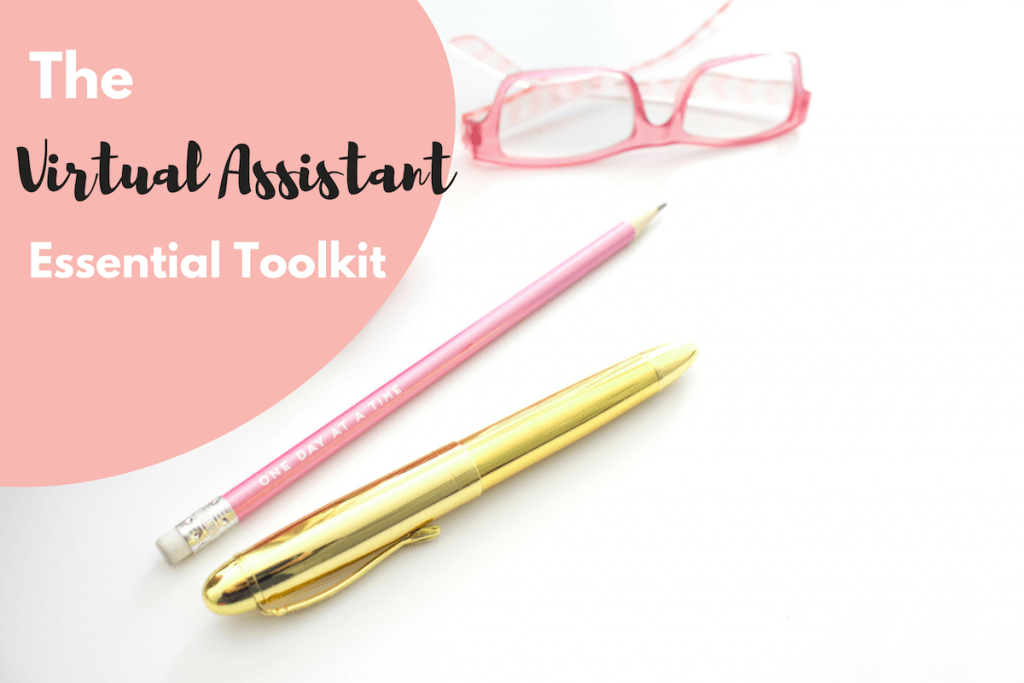
This value-pack includes:
A list of VA essential tools
Invoice template (Word)
Time Card spreadsheet (Excel with pre-made formulas)
Invoice spreadsheet (Excel with pre-made formulas)
Blog post promotion spreadsheet (Excel)
Engagement questions for most niches (Excel)
Facebook schedule (Excel)
The Virtual Assistant Essential Tool Kit can help you land your first client, and keep you on track for when it’s time to invoice.
So what are you waiting for?
Take the plunge and watch how you spend less time invoicing and more time getting clients.
13. Freelance Writing

The internet needs writers and you could be paid to be one of them. Anything goes from game scriptwriters to e-book writers to academic writing.
Becoming a freelance writer is an exciting opportunity that offers flexibility, creativity, and the potential for a rewarding income. First and foremost, becoming a freelance writer starts with honing your writing skills and finding your niche. Whether you’re passionate about travel, technology, or lifestyle topics, identifying what you love to write about will set the foundation for your career.
Now, freelance writing is not a great payer, but it does give you the freedom to pick and choose your clients, set your own rates, and work from anywhere—be it a bustling café or the comfort of your own home. This autonomy not only allows for better work-life balance but also enables you to pursue projects that genuinely interest you.
In terms of qualifications, while there are no strict requirements to become a freelance writer, having strong writing skills is essential. A background in English literature or communications can be beneficial but isn’t necessary; many successful writers come from diverse educational backgrounds. What’s more important is building a portfolio that showcases your writing capabilities.
Can anyone be a freelance writer?
Yes, anyone can be a freelance writer. The beauty of this profession is its inclusivity; anyone with passion and dedication can embark on this journey. From recent graduates to seasoned professionals looking for a career change—freelance writing welcomes all.
How to start your freelance writing career?
To kickstart your freelance writing career, you’ll need basic tools: a reliable computer and internet access. You can also use Google Drive as a free tool to write in. You may want to invest in a grammar tool or even a keyword tool like Keysearch if you are writing for websites.
How to get your first freelance writing gig?
Networking through social media platforms like LinkedIn or joining writing communities can also help you connect with potential clients.
Many companies pay per word or per article, and pay will depend on your experience and writing abilities. There’s companies out there that will help you find work as well, but do take a commission on what you earn.
These are sites like:
People Per Hour – Once you have signed in, you need to set up your profile. This is when you add your links or upload any work you have written before. You can then bid to work on jobs. I won’t lie, it is a race to the bottom but we tend to get a gig once a month or so that is on budget. You do get paid quickly!
Upwork – Mostly US based companies but Upwork do have a lot of work. Again, it is low paying and normally paid by word in cents.
Fiverr – You can add gigs on Fiverr to that potential clients can find you. You then get reviews which does help you to sell more gigs. Fiverr are very easy to use and pay quickly.
You can also find work on local Facebay or Gumtree sites, and while they might not be the best paid, it means you can build up a portfolio for yourself to show other clients.
14. Proofreader

Becoming a proofreader can be a rewarding career choice for those with a keen eye for detail and a passion for language.
Firstly, it’s essential to have a strong command of English grammar, punctuation, and style. While formal qualifications are not always necessary, completing courses or certifications in proofreading or editing can significantly enhance your credibility and skillset.
For one, being a proofreader offers flexibility; many proofreaders work on a freelance basis, allowing them to set their own hours and choose projects that interest them. Additionally, as businesses increasingly recognise the importance of polished content in maintaining their brand image, the demand for skilled proofreaders continues to grow.
Who can be a proofreader?
The beauty of this profession is that it welcomes everyone from various backgrounds. Whether you’re an experienced writer looking to diversify your skills or someone who has always had an affinity for language but lacks formal experience, there’s room for you in this field.
To succeed as a proofreader, you need more than just linguistic prowess; you’ll require strong organisational skills and attention to detail. Familiarity with various style guides and proficiency with editing software will also serve you well. With determination and the right tools at your disposal, you can carve out a fulfilling career as a professional proofreader.
If you have great attention to detail then being a proofreader is for you.
How much can a proofreader earn?
There is so much potential when you are a freelance proofreader. You can earn anything from £15-£35 an hour depending on your skill set. So for example, a legal proofreader will earn more than a publishing proofreader could earn.
If you decide to go down the employee route then you could earn anything from £20,000 a year upwards depending on your experience. Please don’t worry though, as you can learn as you go.
15. Transcribing

Transcribing is a great work from home job for mums who like typing.
You can do it around the kids and at any time. If you’re a fast typist, then you can make some really good money.
Being an audio transcriber presents a compelling career opportunity for those mums seeking flexibility and a steady income.
How can you start as a Transcriber?
Start by honing your typing skills, as speed and accuracy are crucial. Familiarity with transcription software can also be beneficial, allowing you to work efficiently. You don’t have to be a really face typist, but you do need to be able to listen to audio or video and type. You also need to be able to proofread and check your work.
All you need is a reliable computer with internet access and possibly some headphones. With these tools at your disposal and a commitment to quality work, you can carve out a rewarding niche in this growing field.
Do you need any qualifications to be a Transcriber?
In terms of qualifications, while formal education isn’t strictly necessary, having a good command of English grammar and punctuation is essential. Many successful audio transcribers have backgrounds in writing or linguistics but anyone with strong listening skills and attention to detail can excel in this role.
Anyone with the right skills and determination can embark on this journey. Parents, retirees, or individuals seeking remote work opportunities often find transcription appealing.
Where can you find Transcriber work?
At the start, the pay isn’t great. You can try the content mills like People Per Hour and Fiverr but they tend to be a race to the bottom.
We tried Accuro recently and it was a good earner. Again, it starts off slow and they do ask that you have certain equipment like a foot peddle.
We also tried Transcript Divas. They also offer specialist services like legal subjects which you can earn a little extra on.
16. Data Entry Jobs
These jobs involve anything that means inputting data, so look for roles like customer service agent, data administrator and data processor.
You don’t have to any experience in these roles, but they are a great stepping stone to other careers.
If you are good on the phone then a customer role is good for you. This could be office based or call center based or it could be doing it from your own home. Most companies have a CRM system which keeps track of why customers are calling. In most customer agent roles, you will be logging the call and trying to answer the customers question.
As a data administrator, you would normally be doing anything from accurately inputing and managing data to uploading documents to making sure the data is correct for team use. These roles can be part-time and many businesses throughout the country are looking for data administrators.
How can I find a data role?
If you are looking for an employed role, then start by looking at the big job sites like:
- Indeed: This is a big UK job website that filters by job and location. You can add your CV for quick and easy applying.
- GOV.UK: Not just for government jobs, Gov.UK has jobs from all sectors which include local council roles to government roles.
- Reed: While a big job site where you can enter your CV, the search function is not as good, and can bring up different results.
- CV-Library: This is a big website with a range of admin roles. It is easy to use but you can get some unsolicited emails at times from agencies.
- Monster: Like the name suggests, it is a big website with a huge range of roles advertised. You can also add your CV or upload when you apply.
- Totaljobs: I’ve used this a handful of times for contract work but never found a employed role through them. Again, I don’t feel like the search function works well enough.
- Glassdoor: Great for admin or office type roles. Really easy to use!
- LinkedIn: A social media site where you can connect to people in the same industry as you. They do have a job board as well.
17. Home Travel Agent

Becoming a home travel agent is not just a great career option; it’s an opportunity to turn your passion for travel into a rewarding profession. The process of becoming a travel agent is straightforward and accessible to anyone with a love for exploring new destinations.
You don’t need any formal qualifications, but having knowledge of the travel industry can significantly enhance your prospects. Courses in tourism or hospitality can provide valuable insights, but many successful agents have thrived without them. What you truly need is strong communication skills, attention to detail, and an eagerness to learn about various destinations and services.
Why is being a paid travel agent such a good job?
For starters, it offers flexibility—working from home allows you to set your own hours while still enjoying the perks of discounted travel rates. Additionally, as someone who curates experiences for others, you’ll find immense satisfaction in helping clients create unforgettable memories.
Who can be a travel agent?
The beauty of this role lies in its inclusivity; anyone with enthusiasm and dedication can embark on this journey. Whether you’re looking to start afresh or seeking a career change, becoming a home-based travel agent could be your gateway to both professional fulfilment and personal adventure.
If you’re wondering what you need to be an effective travel agent: start by cultivating your passion for exploration and honing your customer service skills. With these attributes combined with industry knowledge—whether gained through self-study or formal education—you’ll be well on your way to thriving as a home travel agent in the UK.
How much could you earn as a travel agent?
You can start by earning around £18,000 but can quickly earn upwards of £40,000 after a year and with commission.
18. Social Media Manager

We all know that social media is creating more work from home opportunities than ever.
This role can be done on a freelance level or as an employee. Many businesses still can’t get to grips with all the different platforms and this is where you can fill in the gaps.
To get work, it’s best to start pitching. Have a look at the companies you would love to work for. What should they be doing that they aren’t? What could you do better?
19. Marketing Manager

Becoming a Marketing Manager is an exciting career path that offers both challenges and rewards. It is a fast paced career that can involve a range of tasks from campaign strategy to SEO to website building. It offers a diverse range of skills that mean you can help a business gain more sales.
How do you become a Marketing Manager?
It typically starts with obtaining relevant qualifications, such as a degree in marketing, business, or communications. Many employers also value professional certifications from recognised bodies like the Chartered Institute of Marketing (CIM) or the Institute of Data & Marketing (IDM).
You don’t need qualifications, having a strong portfolio can really help you get clients, or get that dream job that you’ve always wanted. You can also gain certifications from LinkedIn, Meta and Google.
You will need creativity with strategic thinking, allowing you to craft compelling campaigns that drive business success. Additionally, marketing roles often come with competitive salaries and opportunities for career advancement. The dynamic nature of this field means no two days are alike; you’ll constantly be adapting to new trends and technologies.
Who can be a Marketing Manager?
The role is accessible to individuals from various backgrounds—whether you’re transitioning from another sector or coming back after a gap in employment.
What do you need to be successful in this position?
You will need strong communication skills, analytical thinking, and an understanding of consumer behaviour are essential. A knack for digital marketing tools and data analysis will also set you apart in today’s tech-driven landscape.
If you’re passionate about storytelling and strategy while possessing the right qualifications and skills, pursuing a career as a Marketing Manager could be your next great adventure in the UK job market.
20. Content Writer
Content writing is our first love! It’s an exciting and rewarding career choice for those with a passion for words and storytelling.
There are no strict qualifications required to become a content writer; however, having a strong command of the English language and excellent writing skills are paramount. Many successful content writers hold degrees in English, journalism, or communications, but aspiring writers from diverse educational backgrounds can also thrive in this field.
Many writers work freelance or remotely, allowing them to set their own hours and balance their personal lives. Additionally, the demand for quality content continues to rise as businesses recognise the importance of engaging their audiences online. This means ample opportunities for growth and specialisation in various niches.
Who can be a content writer?
The beauty of being a content writer is that it welcomes individuals from all walks of life. Whether you’re a mum at home looking to break into the industry or someone seeking a career change later in life, if you possess creativity and an eagerness to learn about different topics, you have what it takes.
What skills do you need to be a content writer?
You don’t need any qualifications but you do need writing skills and familiarity with SEO principles can significantly enhance your employability. Understanding how to craft compelling headlines and optimise your articles for search engines will make your work more valuable to potential employers or clients.
Becoming a content writer is within reach for anyone willing to hone their craft. With determination and the right tools at your disposal—such as online courses or writing workshops—you can carve out an enriching career that not only pays well but also allows you to express yourself creatively while making an impact through your words.
21. Mystery Shopper

Mystery shopping is a great way to make money, but to also get some free items, which will help reduce your family food bill as well.
Being a mystery shopper involves you evaluating the quality of service.
Companies agencies to recruit mystery shoppers to carry out assignments so they get a real view of what is going on. Once the mystery shop is complete, the shopper will fill out a report and you will receive a payment for doing so.
How do I start in mystery shopping?
Start by signing up to a few agencies. We have used:
- Market Force: Market Force was the first company we used. Sign up for free and download the app. You will then be assigned some tasks to complete. Once you have written the report you will be paid. Now, the application process can be full on and you will have to answer some questions to see what your report writing is like.
- iShopForIpsos: This is a good website as you don’t have to be committed all the time. They just ask that you complete the questions within 12 hours of you doing the task so that it is fresh in your mind. They also pay weekly!
22. Dropshipping

Drop shipping is a great way of earning money on eBay or Amazon without having your own products. You sell other peoples products but for a mark-up so you make a profit.
A great example of this on the high street are stores like Argos and John Lewis who sell other brands.
To get started in dropshipping and to be successful, you’ll need:
1. A tracking program that tells eBay when the product is in stock or out of stock. We use Hustle Got Real that pulls our listings if they suddenly go out of stock*. They track major UK brands so you don’t have to. Hustle Got Real takes away all the pain of droppshipping and pretty much manages the listings themselves.
2. An eBay or Amazon Store. We started on eBay just as a private seller. It currently costs 36p to insert a listing so make sure you work out when it’s cheaper to switch to a store.
3. Time. Again this isn’t a get rich quick scheme but is a great way to make money as a passive income. You need to be on your eBay or Amazon store every day even if you only list one product. They reward you for being active!
If you are looking into getting into dropshipping then read our complete guide here.
23. Focus Groups

Taking part in focus groups is a great way to make extra money.
Focus groups allow companies to get an idea about how their potential customers will react to their new product or service and make any changes before it is released.
In order to get your valuable feedback, they will pay for your time. You can also complete focus groups online, so you can earn money from the comfort of your own home.
Our favourite websites to earn money from focus groups are:
- Respondent*: This is one of our favourite websites! You find the roles that interest you and you answer the questions. If you are picked, you then get paid to be in the focus group. It could be based on anything from what TV shows you like to what car you drive. Businesses care what you think!
24. Test Websites

Testing websites is an easy way to make money that we can all do. WhatUsersDo will pay you £5 for every website you test. You will need to log in and record your voice answering some questions and speaking your thoughts aloud. Each test lasts around 20 minutes, and you get paid monthly.
25. Mobile apps

There’s so many apps that can help you make money while you’re on your phone. Here’s a full list of money making apps that can help you make some money on the side.
26. Make Cash From Your Driveway

This applies to anything to do with your home really.
From loft or garage space to parking to rooms to even renting your home out as a film set.
Storemates is the best place to look at if you like the storage route, just remember to ask what’s in the boxes, as it may invalidate your own insurance. Oh, also remember you may have to pay tax, so remember to declare it on a self-assessment.
Just Park is a good site if you fancy letting out your drive. If you live near a train station, hospital or a city center, then you’re sure to earn a bob or two a month.
If you like the sound of your home being used in a film or on TV (plus, the major bragging rights, right?) then look into Lavish Locations and Shoot Factory. You don’t need to have a manor house to apply, look at the Dursleys house in Harry Potter.
27. Matched Betting
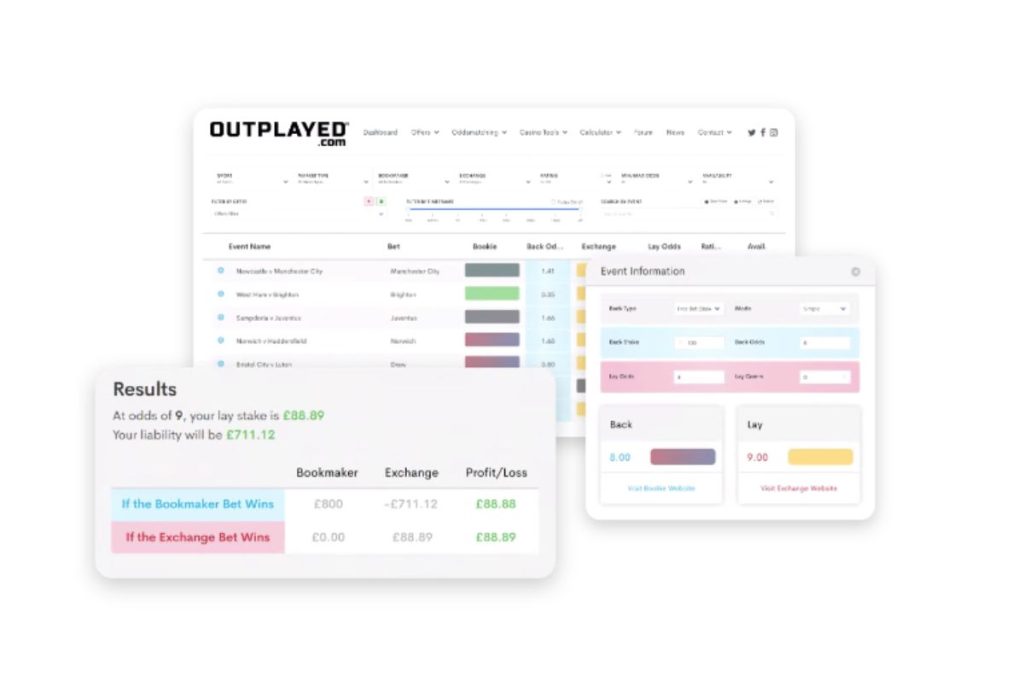
Matched betting is a completely legal, tried and tested way to make money online while you’re at home. It basically turns the tables on the bookmakers, to give you their free bet offers, so you can’t loose.
If you’re doing it correctly, you will never loose any money, but you do need to take your time and be really careful to avoid any mistakes. Using a company like Outplayed means that you don’t have to work out the odds or be worried that you’re doing it all wrong.
Make sure you understand fully before you deposit any money. Follow our guide here to make your first £20 matched bet.
Read more about how matched betting works here
This is why we use Outplayed when we are matched betting
28. Free Daily Draws
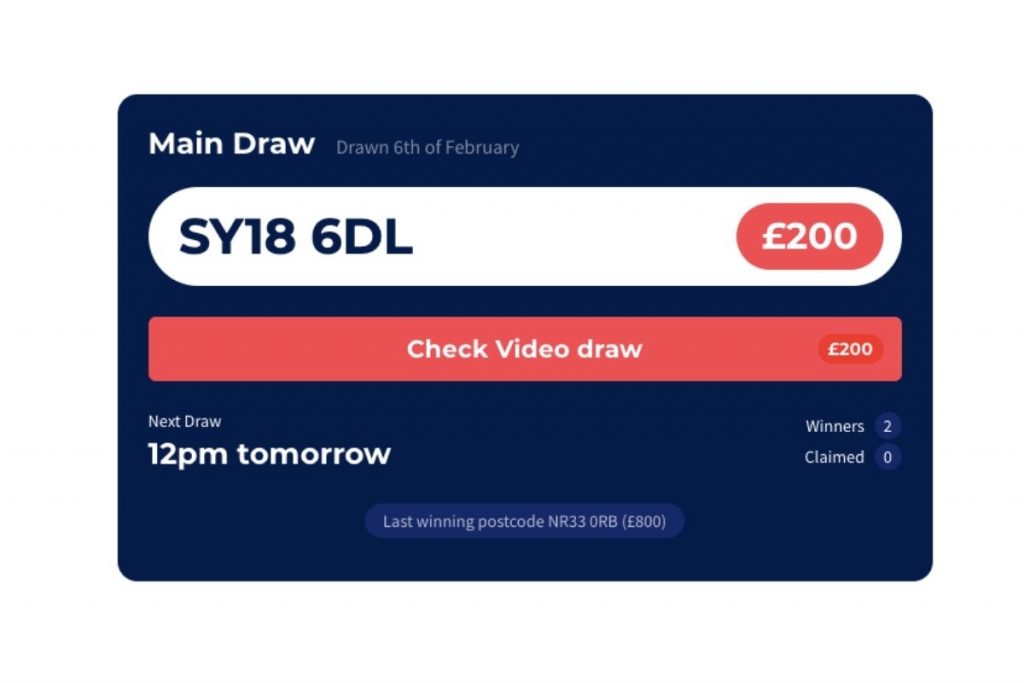
Did you know that your postcode can earn you money, for free? We use Pick My Postcode which is a free website that you can use. You add in your own postcode and see if you win.
They offer a range of other offers like surveys to help you earn some money as well.
Join Pick My Postcode for free here.
29. Online Surveys
A handy little earner that you can do on your laptop while watching TV. You won’t necessarily make bundles of cash, but for just 20 minutes or so work, you could make a few pounds.
These are the one’s I’ve used before but there are plenty floating about that payout in either vouchers or cold hard cash. Our favourites are:
OhMyDosh

OhMyDosh* is a survey site and cashback site combined. You can make money by answering their surveys which then goes into your account as credit. When you have reached the limit you can cash out!
Surveys can range from anything from watching videos to answering questions about what you last brought online.
Read more about what we think about OhMyDosh here
Swagbucks
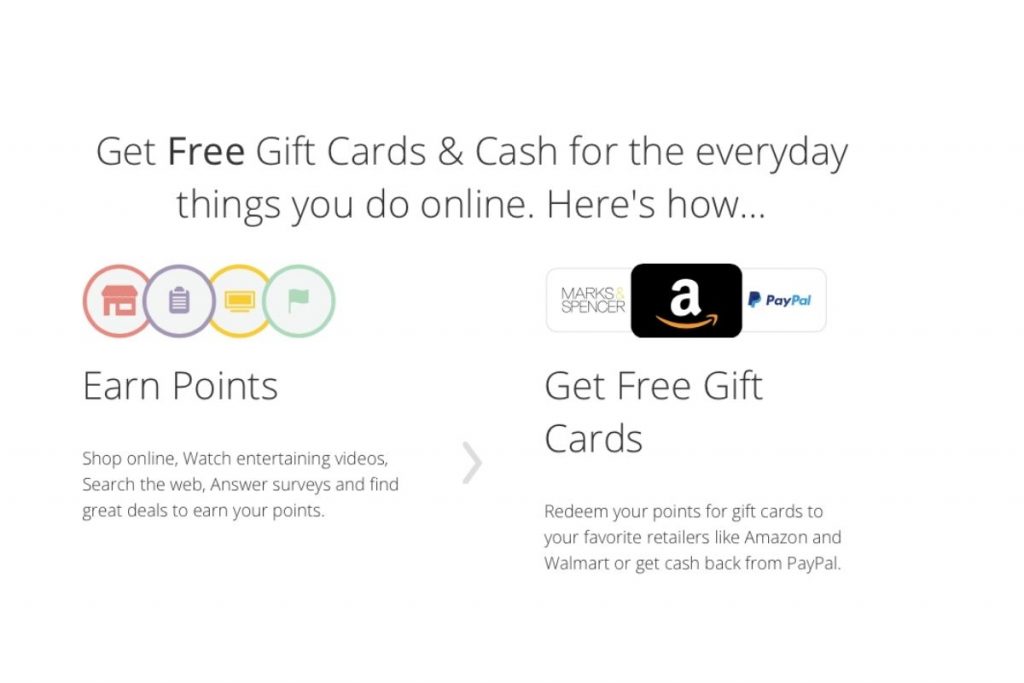
We love Swagbucks! There are loads of tasks available and you can earn money from answering questions or watching videos. The surveys are short so you can do them on the move pretty easy. Payout is via PayPal or Amazon gift card.
These surveys are so easy to do and they tell you how long they will take too.
Read more about what we think about Swagbucks here.
Join Swagbucks for free here*.
YouGov

YouGov is a great place to answer questions on today’s problems. The surveys normally involve your view on large companies, the government or your local council. You only need 50 points to cash out which is £50.
They are really interesting surveys to complete and they do email you every time they have one to complete.
Use our link here to sign up free to YouGov*
Prolific Academic
Prolific Academic is an easy to use survey site that we’ve never had screen us out, which happens more than you’d think. You can reach the payment limit quite quickly while finding loads of different surveys that interest you.
The payment threshold is just £5 so you get paid really quickly too.
Join Prolific Academic here for free.*
Read about our favourite online survey sites here
30. Cashback Sites

Weirdly, not many of us use cashback sites, which is strange, as you can earn money back from just buying your normal day to day items. From grocery shopping to insurance to household bills!
Search for what you need and buy it through a cashback site and you’ll get back a percentage of what you spend.
Our favourite cashback sites are:
OhMyDosh* – OhMyDosh* is an easy to use cashback site that’s free to use. It’s not like a normal cashback site though. OhMyDosh gives you loads of ways you can make money including:
The refer a friend scheme. Refer your friends to OhMyDosh and earn yourself £5 for every sign up and your friend £1.
Competitions: Enter them for free and receive money.
Shop through them to earn the bigger rewards.
The best thing about OhMyDosh is that you only need to make £10 to “dosh out” and they pay out through your bank or through PayPal.
Quidco is a great way to save money. We’ve saved over £200 in the last few months and their site is really easy to use.
Use our link here and get a £10 cashback bonus when you make your first purchase on Quidco.
It’s free to join Quidco and they have access to over 4,000 retailers, and a lot of these are big household names.
As soon as you hit the threshold, cash it out. You never know what’s around the corner.
Read more about the best cashback sites here
31. Get Paid to Google

Nope, this isn’t a joke!
You can earn hard cash by searching the web with Qmee. Just download the add-on, which sits on your internet browser, and search like you would normally.
Qmee shows you extra results or adverts. All the extras you see have been paid for by companies who want extra eyeballs on their links, and Qmee gives you a cut for that.
It’s not loads, but at 7-15p a click, some being up to £1, for doing what you’d normally do anyway, it’s certainly worth a go!
32. Product Testing

Honest reviews are more important than ever.
Companies will send you free products to test and review and in some cases cash for your time. A good site to look at is Buzzoole.
Swagbucks* is another great site you can earn. While you shop online you can watch entertaining videos, search the web, answer surveys and find great deals that earn your points. These get turned into gift cards to your favourite retailers like Amazon and M&S or you can get the cash via Paypal (with fees.)*
33. Flog Your Old Stuff Online

When it comes to the internet, your old junk really is someone else’s gold.
Starting off on eBay is probably the easiest bet, and being protected by their guidelines and Paypal gives you the guarantee you really will see your money. This guide here by MSE is the best I’ve found so far.
Facebook is another fab place. There are hundreds of local Facebay and Babybay selling groups out there, all divided up by local area and object you are selling.
Make sure all your items also go on Vinted. It’s a really easy app to use and free to join. They sort of the delivery costs as well.
34. Now let’s talk about traders

There are loads of these companies around. You know the ones, that shout about swapping your old stuff for a cheque in the post.
While these sites are easy to use and give you an instant quote for all your knick-knacks, they’re aren’t exactly fast to payout.
Remember to compare them all, never pay postage unless you HAVE to and make sure your items are packed well, so there is no excuse for them not to pay out.
The best ones to look out for are WeBuyBooks, who do, weirdly, take everything and CeX, who takes everything but books.
Price-wise, you’re looking at getting up to £1 for CDs, £1.50 for DVDs and £10 for some computer games, but this does vary.
Always shop around, and dip your head in and out of the high street chains too, as you never know when they might offer a better deal.
35. Get Paid To Watch TV
You can earn anything from £40-£70 just for watching TV for two hours and chatting about it. Online streaming is also available. Check out The Viewers site for more info.
Related Posts:
- 15 Money Making Apps That Are Free To Use
- How to Make Free Money Ready For Christmas
- How to Get Paid Market Research Gigs
36. Bank Switcher

Loads of banks pay for you to switch. Grabbing this deals could earn you a couple of hundred quid.
It’s really easy, legal, and the bank do everything, so you don’t have too.
37. Enter Competitions

It goes without saying but you can get some pretty neat stuff through entering competitions. I’ve been lucky enough to win event tickets, hampers and a weekend away for two in a five-star hotel!
Think about it this way, there are so many online competitions out there that many people just glaze over. The more people that ignore them, the more chance you have of winning.
They are so easy to enter and normally all you have to do is give a quick like or comment on social media or type in your email address. I do so many now that I have a separate Gmail account for just competition entries!
The easiest place to find them all is on Money Saving Expert, where many Compers have already sniffed them out and posted them online. Win!
I really hope these tips help you to find a work from home opportunity that suits your lifestyle and your needs.
Laura x
If you enjoyed this post and would like some more money making ideas from home, including ways to freelance, start a blog or even earn from your phone, then head over to my making money section here on Savings 4 Savvy Mums where you’ll find over 30 money making posts dedicated to helping you earn more from home and become more financially stable as a family. There’s also tips in my Money Saving Mums Facebook group. You could also pop over and follow my money making Pinterest boards for lots more ways you can earn money from home; Money Making Mums and Working from Home Jobs for Mums.

What the * means
If a link has an * by it, then this means it is an affiliate link and helps S4SM stay free for all. If you use the link, it may mean that we receive a very small payment. It will not cost you anymore that it would normally.
You shouldn’t notice any difference and the link will never negatively impact the product. The items we write about are NEVER dictated by these links. We aim to look at all products on the market. If it isn’t possible to get an affiliate link, then the link, or product is still included in the same way, just with a non-paying link.






Would love to see a video tutorial on this exact workflow.