How Do Electrical Panel Upgrades Enhance Home Safety?
The electrical panel is one of those parts of a house most people forget exists, until something goes wrong. Tucked away in a garage, utility room, or basement, it’s easy to ignore unless you’re flipping a breaker or resetting something.
But here’s the thing: your panel is the brain of your home’s electrical system. It quietly manages how electricity flows, distributes power to your appliances and devices, and protects you when something shorts out or overloads.
Over time, though, what once worked perfectly fine can start to struggle. Older panels weren’t built for modern loads, and aging components can increase the risk of fire, shock, and system failure.
So when we talk about panel upgrades, we’re not just talking about efficiency or convenience. We’re talking about safety; real, tangible, potentially life-saving safety.
If your panel hasn’t had attention in decades, it might be time to consider how an upgrade could protect everything you value.
Why Panels Age Out?
Like everything else in a home, electrical panels don’t last forever. Time, wear, environmental exposure, and evolving electrical needs all take a toll. Panels built decades ago simply weren’t designed to accommodate the volume of energy today’s households demand.
Think about what the average home looked like in the 1970s: maybe a couple of TVs, some basic kitchen appliances, and a few lamps.
Fast forward to now, and nearly every room houses multiple devices, many of which run constantly. Add to that electric vehicles, home offices, smart devices, and HVAC systems, and suddenly, an old panel is doing far more than it was ever intended to do.
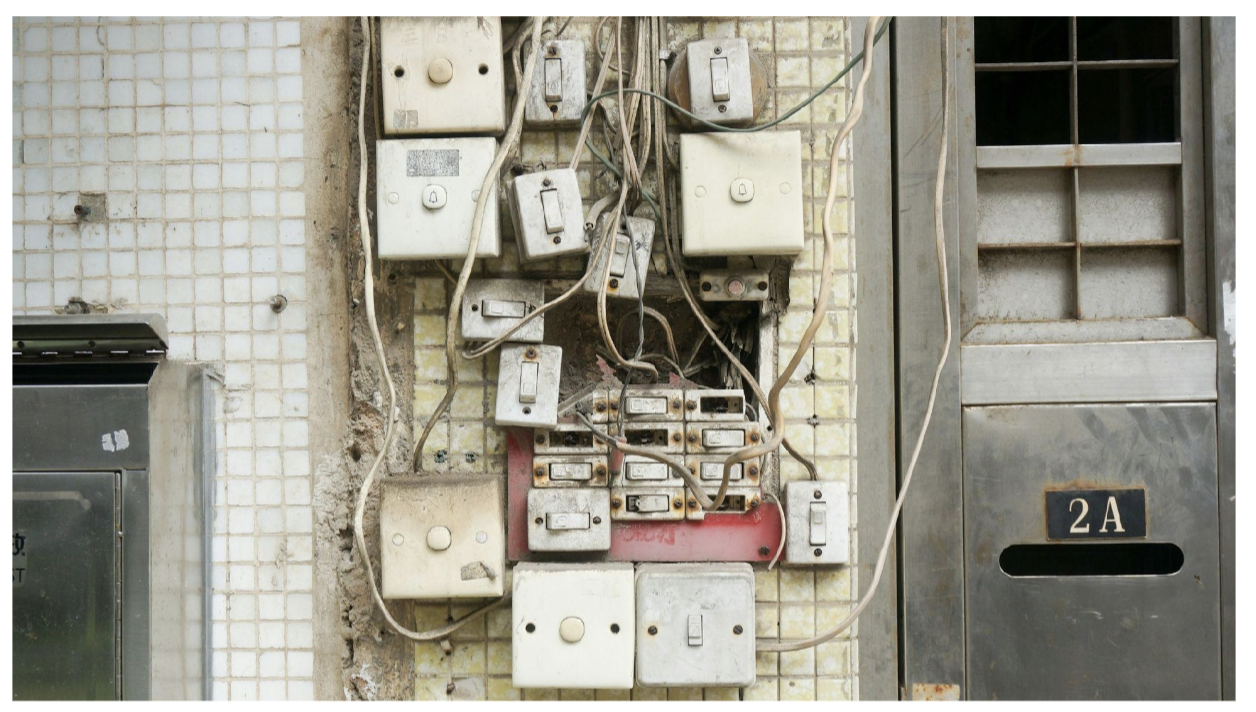
This kind of mismatch puts strain on the system. Breakers may trip more frequently. Lights may flicker or dim when larger appliances start up. Over time, that stress builds. Wires can overheat, insulation may degrade, and connections can loosen.
These aren’t just signs of an aging system; they’re signs of a growing fire hazard, just waiting to start.
Understanding the Risks
When a panel is outdated or overwhelmed, the safety risks aren’t abstract. They’re real. One of the most dangerous outcomes of an underperforming panel is an electrical fire, often starting behind walls where it goes undetected until it’s too late.
Old panels may not have the proper grounding, or they might lack the safety features built into modern systems, like arc fault circuit interrupters or surge protection.
Some panels even have known histories of failure. Brand names like Federal Pacific or Zinsco have been linked to significant safety concerns, with circuit breakers that failed to trip during surges, allowing wires to overheat unchecked.
If you’re living in a home with one of these panels and you haven’t replaced it yet, the risk isn’t just theoretical, it’s documented.
Another risk involves double-tapping, a shortcut taken when the panel doesn’t have enough circuits to accommodate the number of wires needing power.
While it may seem harmless, it compromises the panel’s ability to regulate and distribute energy properly, increasing the chance of arcing or overloading.
Keeping an eye on these warning signs is a big part of home ownership. Professional residential electrical repairs are often necessary to keep everything running the way it should. This work makes sure your home stays up to code and safe for your family.
Meeting Modern Electrical Demands
A lot has changed in the way we live, and those changes directly affect how much energy we use. Homes now run multiple large appliances at once, often while charging electric vehicles, powering work-from-home setups, and operating security systems or medical devices.
This steady increase in consumption means older panels often operate close to or beyond their capacity.
Upgrading your panel allows your home to meet these demands without stress. A 200-amp service is considered standard for modern homes, while older homes may still run on 60-amp or 100-amp systems.
Trying to push a 100-amp panel to handle today’s load is like asking a garden hose to carry the flow of a fire hydrant. Sooner or later, the pressure is too much, and something gives.
By installing a higher-capacity panel with more dedicated circuits, you reduce the chances of overload. That means a more stable system, fewer surprises, and better protection for every device you plug in.
Insurance and Inspection Peace of Mind
Homeowners’ insurance providers are increasingly looking at electrical panels when assessing risk and rates.
An old or overloaded panel could cause your premiums to rise, or worse, your coverage to be denied altogether. In some cases, insurers require that certain panel brands be replaced before they’ll even approve a new policy.
The same applies to home inspections. Whether you’re planning to sell your home or just want to know everything is up to code, your panel is one of the first things an inspector will check.
If it’s too small, outdated, or labeled with a brand known for failure, it becomes a liability that can halt a sale or drop the home’s value significantly.
Upgrading your panel sends a clear message: this is a home that’s been maintained, modernized, and made safer.
This kind of reassurance isn’t just valuable during a sale, it’s valuable every time you turn on a light, plug in a charger, or go to sleep knowing your electrical system isn’t quietly deteriorating behind the walls.
You can just get a local electrician for the inspection. For example, if you need an Electrician in Tampa Bay, FL, you can just Google for one. But, make sure to go through their reviews and testimonials.
Improved Protection for the People Inside
When you upgrade your panel, you’re not just protecting your home, you’re protecting the people who live in it. Electrical hazards are among the leading causes of residential fires, and many of those fires are preventable with updated infrastructure.
A modern panel can detect subtle issues that older systems simply miss, like arc faults or ground faults, and shut things down before they escalate.
Children and elderly family members are especially vulnerable in the event of electrical emergencies. Something as small as a faulty outlet or a spark behind a wall can turn into a life-threatening situation in minutes.
When your electrical panel is current and code-compliant, it serves as a safety net that actively prevents those kinds of scenarios from developing in the first place.
Even if a fire doesn’t start, unstable power can still damage appliances or cause injury. Shocks from faulty wiring or exposed connections are more common in homes with outdated panels. With an upgrade, those risks drop significantly.
Room for Growth and Future Additions
Safety isn’t just about what’s happening today-it’s about preparing for what lies ahead. If you’re planning renovations, home additions, or the installation of modern systems such as solar panels, a hot tub, an electric vehicle charger, or custom home AV systems in North Carolina or elsewhere, your existing electrical panel may not have the capacity to safely support those upgrades.
Trying to shoehorn modern systems into an outdated panel puts unnecessary strain on your entire setup and compromises safety.
A panel upgrade gives you breathing room. You’re not just addressing the current risks; you’re proactively preventing future ones.
This extra capacity ensures that any new system you install has a solid, stable foundation. There’s less need for electrical improvisation, no makeshift extension cords, overloaded outlets, or haphazard workarounds to make things function. Everything flows as it should.
What a Proper Upgrade Entails
Upgrading a panel isn’t a cosmetic fix, it’s a serious infrastructure improvement. It involves replacing the existing panel, often increasing amperage, and redistributing circuits in a way that balances load and enhances safety.
This may also include upgrading service lines, grounding systems, and adding protective devices that weren’t previously present.
This kind of work should always be done by a licensed electrician. Done right, a panel upgrade doesn’t just check a box, it can transform your entire electrical system. It becomes smarter, more efficient, and far more resilient. And perhaps most importantly, it becomes safer in ways you may not be able to see, but will definitely feel.
Final Thoughts
Electrical panel upgrades might not be the most glamorous home improvement, but they are among the most vital. They reduce risk, increase reliability, and create space for everything your home needs to support you safely, while helping you stay up-to-date.
In a world where more and more depends on steady power, upgrading your panel isn’t just smart, it’s essential to our daily lives. And while the benefits may begin with safety, they ripple outward, touching every aspect of how you live, grow, and thrive in your space.