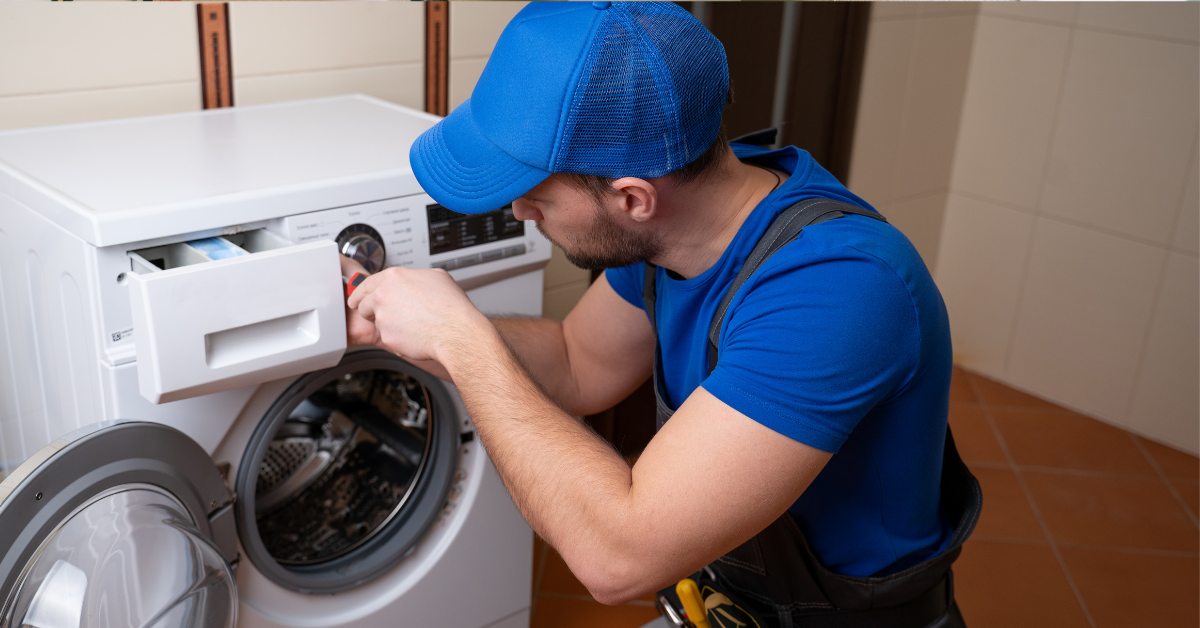
Budget Rescue Strategies When Washing Machines Break
Unexpected appliance failures can wreak havoc on a tight household budget. A broken washing machine disrupts routines, creates extra work, and adds unplanned expenses at the worst possible moment. For many families, replacing or repairing it immediately may not be financially feasible, especially if emergency savings are limited or already stretched.
The good news is there are realistic, practical ways to tackle the problem without putting yourself under financial pressure. Whether you’re exploring short-term fixes, repair options, or longer-term replacements, these strategies can help you stay in control.
What To Do When Your Washing Machine Suddenly Fails
A washing machine breakdown creates more than just an inconvenience. Piles of laundry grow quickly, especially in homes with children or essential workwear. Laundromat trips can cost both time and money, and borrowing machines from friends or neighbours may not always be practical.
If you don’t have savings set aside, exploring this guide to small loans could be useful when considering how to manage costs. It’s essential, however, to weigh up all your options before making any decisions.
Start with a quick checklist to rule out common issues. Is the machine plugged in and switched on? Are the water taps open, and is the filter clean? Many models include a simple reset function that can resolve minor electronic problems. If these checks don’t solve it, it might be time to consider your next steps.
Budget-Friendly Stopgap Solutions
Before committing to repairs or a new appliance, there are some low-cost alternatives to keep laundry moving in the meantime.
Hand-washing essentials like school uniforms and workwear can tide you over for a few days. Small loads can be efficiently washed in a bucket or sink with warm water and mild detergent and dried near a window or radiator.
Local launderettes may offer weekday discounts or family packages. Some even operate loyalty schemes that reward regular users with reduced rates after a certain number of visits. Check local community boards or social media groups for offers or assistance.
You might also find help through community centres, churches, or council initiatives that provide access to free or discounted laundry facilities in emergencies.
Assessing DIY Repairs
Once you’ve ruled out simple problems, it might be tempting to attempt a repair yourself. While some fixes, like cleaning filters or checking for blocked hoses, are safe and straightforward, be cautious when it comes to anything involving the motor, electrics, or internal components.
Many manufacturers provide helpful troubleshooting advice on their websites. There are also step-by-step video guides available online that can walk you through basic assessments for your machine model.
UK households are entitled to support through the “right to repair” legislation, which requires appliance manufacturers to offer spare parts and maintenance support for up to 10 years after purchase. This makes it easier to source parts for simple fixes, but don’t attempt anything beyond your ability, as mistakes can lead to more damage and higher costs later.
When to Replace Instead of Repair
A simple rule can guide your decision: if the repair cost exceeds half the price of a replacement, it’s often better to buy new. For example, a £180 repair on a machine that cost £300 originally may not be worthwhile, especially if it’s already showing signs of wear.
Consider the appliance’s age and past performance. If it’s needed frequent fixes or is nearing the end of its expected lifespan, putting more money into it might delay the inevitable.
On the other hand, a one-off repair for an otherwise reliable machine could be a sensible short-term solution if a replacement isn’t in the budget right now.
Using Credit Responsibly When Buying a Replacement
Appliance retailers commonly offer interest-free credit for six months or more. This can be a sensible solution if the full cost upfront is difficult. Always read the terms and understand what happens if payments are missed or if interest kicks in after the introductory period.
If you’re exploring small loans, make sure to use soft search tools to check eligibility without affecting your credit score. Only borrow what’s necessary and avoid long-term loans with high repayment costs. Extra fees for set-up, missed payments, or early repayment can quickly inflate the total you owe.
Build a Household Appliance Emergency Fund
Setting aside a small monthly amount into a separate savings account can go a long way toward preventing financial panic when things go wrong. It doesn’t have to be much, even £20 per month builds to £240 a year, a helpful sum when faced with repair costs or needing to buy new.
Use small wins to give your emergency fund a boost. Deposit birthday money, rebates, or refunds directly into it rather than spending them. Automating the transfer can help make saving a habit.
Keeping this money in a separate, purpose-built account ensures it’s not accidentally spent on daily expenses and provides peace of mind when the next unexpected bill arrives.
Plan Ahead for Appliance Lifespans
Knowing when your appliances were purchased gives you a better idea of when they’re likely to need replacement. Washing machines typically last 7 to 10 years. Tracking those dates means you can start saving and watching for sales in advance, rather than rushing to buy at full price during a crisis.
File receipts and warranties in a safe place, and consider setting reminders when your machine nears the end of its average lifespan. This gives you more control over the replacement process and allows for smarter budgeting.
Ready to Take Control of Your Household Repairs?
When your washing machine breaks, it doesn’t have to break the bank. By acting quickly, exploring practical options, and making financially sound decisions, you can keep your household running while protecting your budget.
Whether you’re hand-washing to get by, considering this guide to small loans, or starting your appliance emergency fund, the most important step is taking action. Small, consistent choices today will help you handle breakdowns with less stress and more confidence next time they occur.