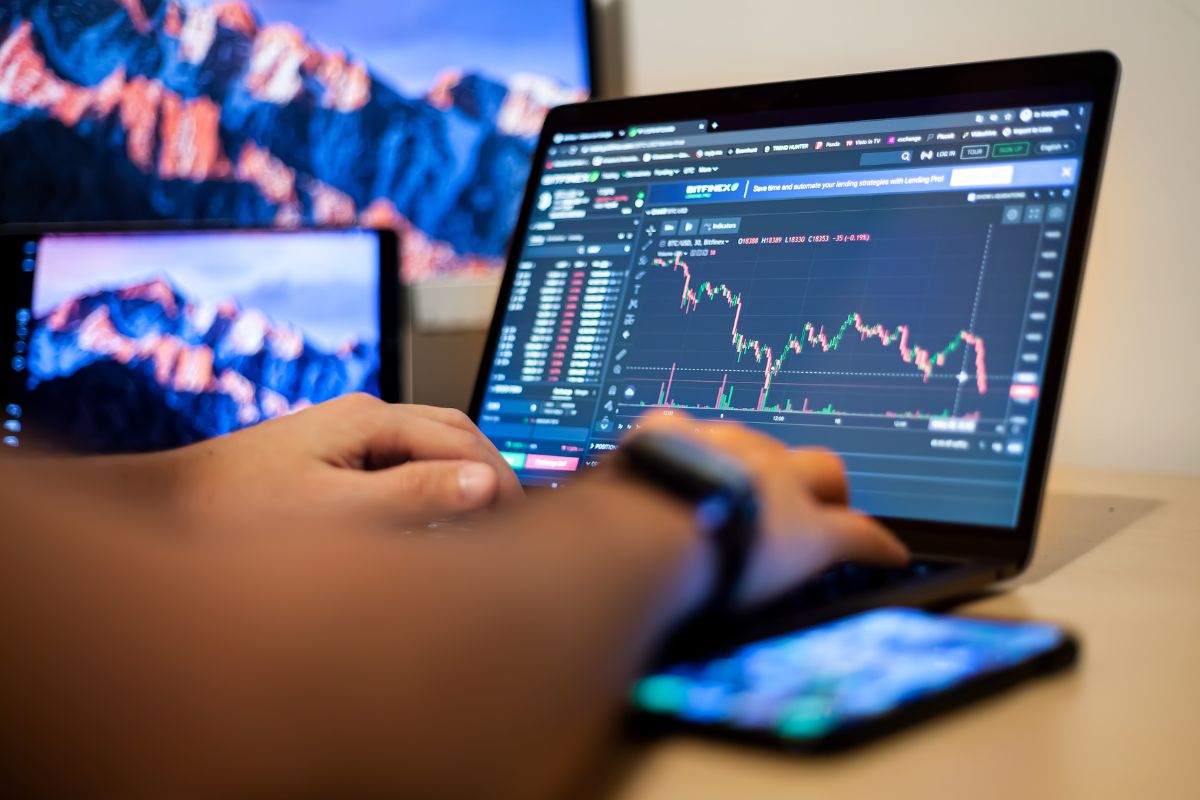
What Are the Basics of Futures Trading
Futures trading can seem intimidating at first, but once you understand the basics, it opens up a world of opportunities, whether you’re looking to hedge, speculate, or diversify your portfolio.
This guide breaks down what futures trading is, how it works, and the key terms and strategies you need to know as a beginner.
What Are Futures in Trading?
Futures are financial contracts that obligate the buyer to purchase (or the seller to sell) an asset at a predetermined price on a specific future date. Unlike traditional investing, futures are derivative instruments, which means that their value is derived from an underlying asset.
These assets can include:
- Commodities (like oil, gold, or wheat)
- Currencies (like USD, EUR, or JPY)
- Stock indices (like the S&P 500)
- Interest rates
- Cryptocurrencies (on some platforms)
How Does Futures Trading Work?
Let’s say you believe the price of crude oil will rise over the next month. You could buy a futures contract for crude oil that expires in 30 days. If the price increases as you predicted, you can either sell the contract for a profit before expiration or settle it at maturity. If the price falls, you take a loss.
The main goal in futures trading is not necessarily to buy or sell the physical asset, but to profit from price movements.
Here’s how a typical futures trade works:
- Pick a market (e.g. oil, corn, S&P 500)
- Choose a contract with a specific expiration date
- Go long (buy) if you expect prices to rise or go short (sell) if you expect them to fall
- Manage risk using tools like stop-loss orders and position sizing
- Close the position before expiry or let it settle at maturity
Key Futures Trading Terms You Should Know
If you’re starting out in futures trading, here are some essential terms to understand:
- Contract: The agreement to buy or sell an asset at a set price in the future.
- Expiration Date: The date when the contract must be settled.
- Margin: The deposit required to open a position; usually a small percentage of the full contract value.
- Leverage: The ability to control a large contract value with a relatively small amount of capital.
- Tick Size: The minimum price movement of a contract.
- Mark-to-Market: Daily adjustments of the contract’s value to reflect gains or losses.
- Roll Over: Exiting a position in an expiring contract and entering a new one with a later date.
Why Do People Trade Futures?
There are two main reasons people trade futures:
1. Hedging
Businesses that produce or rely on commodities often use futures to hedge against price fluctuations. For example, a farmer might lock in a price for corn to ensure a guaranteed income regardless of future market conditions.
2. Speculation
Traders and investors use futures to speculate on price movements in various markets. Because futures are leveraged, small price changes can result in significant gains—or losses.
Pros and Cons of Futures Trading
Like any financial instrument, futures come with both advantages and risks.
✅ Pros:
- High Liquidity: Futures markets are often very liquid, especially in popular contracts like crude oil or S&P 500.
- Leverage: You can control large positions with relatively little capital.
- Diversification: Futures allow exposure to assets not easily available through regular stock trading.
- Profit from rising or falling markets: You can go long or short, depending on market direction.
⚠️ Cons:
- High Risk: Leverage amplifies both gains and losses.
- Complexity: Futures trading requires a solid understanding of market dynamics and risk management.
- Expiration Dates: Contracts have expiry dates, adding time pressure to your positions.
How to Start Trading Futures
If you’re new to futures trading, here are the steps to get started:
- Learn the Fundamentals
Understand how futures markets operate, study technical analysis, and get comfortable with key concepts like leverage, margin, and risk.
- Choose a Reputable Futures Broker
Not all brokers offer futures trading, so make sure to find one with strong customer support, a user-friendly platform, and competitive margin rates.
- Open a Futures Trading Account
Futures accounts often require additional verification and financial disclosures due to the higher risk.
- Start with a Demo Account
Most platforms offer a simulation mode where you can practice trading futures without risking real money.
- Use a Trading Plan
Define your risk tolerance, position sizes, stop-loss levels, and profit targets before entering trades.
- Consider Prop Firms for Futures Trading
If you don’t have the capital to trade large contracts or want to trade with reduced personal risk, you might explore a futures prop firm, like FXIFY Futures. These firms fund skilled traders with firm capital and take a share of the profits in return. It’s a smart option for traders who want to scale without risking their own funds.
Learn The Basics Before Investing
Futures trading offers exciting opportunities for both seasoned investors and ambitious beginners. With the ability to trade a wide variety of markets using leverage and advanced tools, it’s a powerful way to potentially grow your portfolio or generate income.
However, futures are not a “set and forget” type of investment, they require active management, risk awareness, and a disciplined approach. If you’re willing to put in the time to learn and practice, the world of futures trading could be well worth exploring.
Whether you choose to go solo through a broker or partner with a futures prop firm, mastering the basics is your first step toward becoming a confident and capable futures trader.