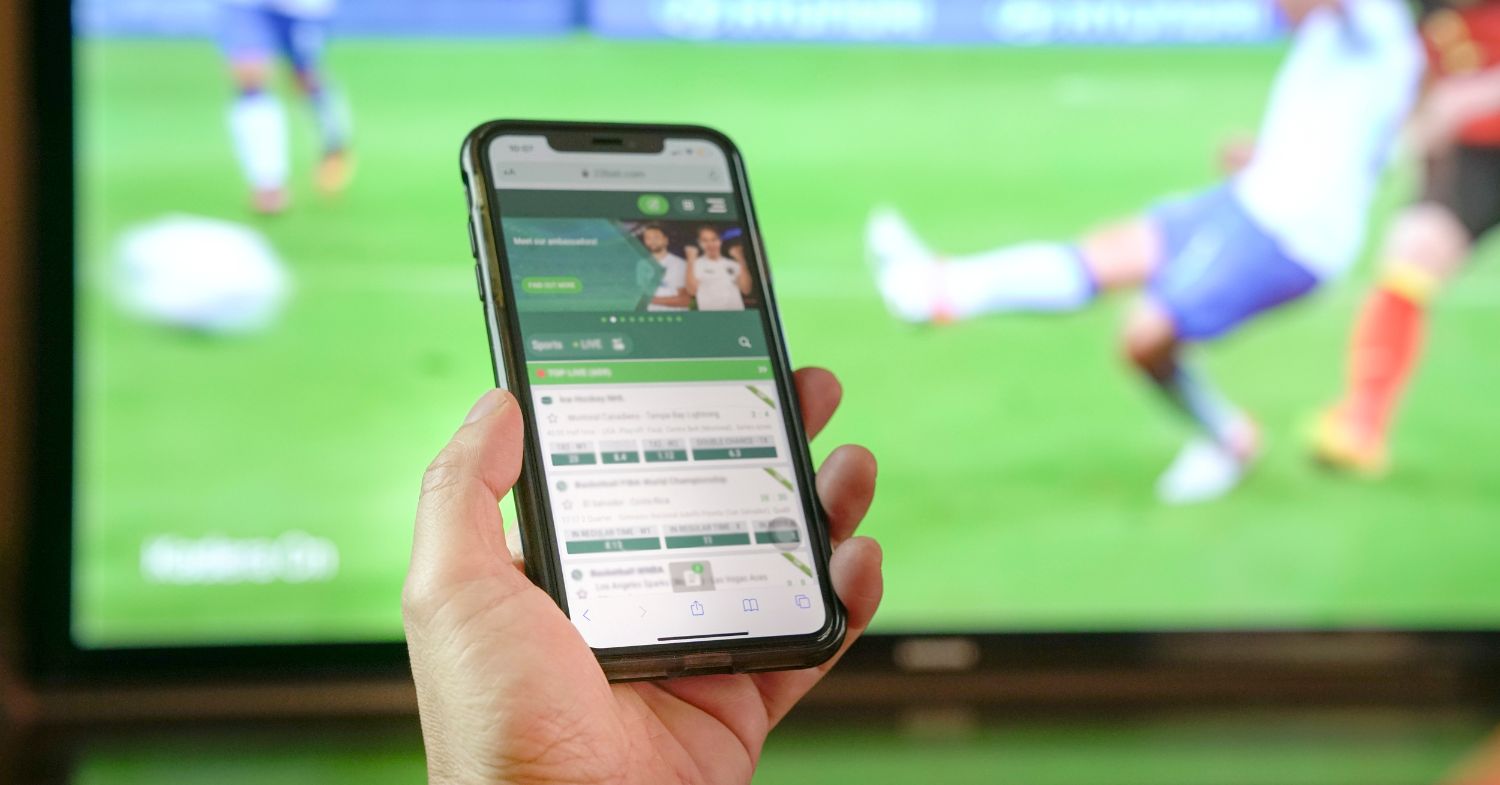
How to Keep Sports Betting Within Your Entertainment Budget
For many people, watching sport is already part of the entertainment budget. A match might involve a TV subscription, a trip to the pub, tickets, snacks or a takeaway. For some adults, occasional sports betting is another part of that experience.
The important word is “entertainment”. Betting should never be treated as a way to pay bills, replace income or solve financial problems. If you choose to place a bet, the money needs to come from the same part of your budget as other non-essential spending, not from rent, food, energy, debt repayments or savings.
A few simple rules can make it easier to keep that boundary clear.
Start with your real monthly budget
Before deciding what you can spend on entertainment, work out what is left after essential costs.
Start with your take-home income and subtract housing, utilities, groceries, transport, childcare, insurance, debt repayments and other regular commitments. It is also sensible to set aside money for savings and unexpected expenses before allocating anything to leisure.
What remains is your discretionary budget: the pot for eating out, streaming services, hobbies, nights out and other optional activities.
If the numbers are tight, there may simply be no room for betting that month. That is exactly what a budget is supposed to tell you.
Give betting its own spending limit
Small purchases are easy to underestimate. A few pounds here and there can look harmless while adding up quickly across a month.
If betting is something you choose to include in your entertainment spending, give it a fixed limit. Rather than deciding separately before every match, choose the maximum amount you are comfortable spending across the week or month.
The number is personal. What matters is that it is affordable and decided in advance, rather than increased after a loss or during an exciting match.
Once that amount has been spent, stop until the next budget period. Moving money from groceries, savings or another essential category defeats the purpose of the limit.
Think in terms of cost, not potential winnings
A useful budgeting habit is to treat every stake as money spent.
If you place £10 on a football match, count it as £10 of entertainment spending. Do not build possible winnings into your financial plans. This keeps your household budget based on money you actually have rather than money you might receive.
The same principle applies to other paid entertainment. You would not buy a cinema ticket assuming the cinema would later give the money back. A betting stake deserves the same financial caution.
Keep your betting money separate
Some people find discretionary spending easier to control when it is separated from their main account.
You could use an entertainment pot in a banking app, a prepaid card or a simple spreadsheet. The method matters less than the visibility. You should be able to see quickly how much of your monthly allowance remains.
This also makes spending across different platforms easier to monitor. If you use an online sportsbook such as https://boylesports-uk.com/, for example, it is still the total amount coming out of your entertainment budget that matters. Changing websites or sports should not reset your spending limit.
Avoid chasing losses
One of the most important rules is simple: a loss does not create a debt that needs to be won back.
If a £10 bet loses, your entertainment budget is £10 lower. Increasing the next stake to recover that money can turn a planned leisure expense into reactive spending.
This is where a hard limit becomes useful. The decision about what you can afford was made before the result of the match, when emotions were not involved.
If losing makes you want to immediately bet more, that is a reason to stop rather than increase the stake.
Watch the other matchday costs
Betting may not be the only sports-related expense worth monitoring. Matchday spending can quietly grow through food delivery, drinks, transport, subscriptions and impulse purchases.
Suppose you have £60 available for entertainment over a weekend. Spending £20 on bets, £25 on a takeaway and £20 at the pub already takes you beyond that amount.
Looking at the whole occasion rather than one expense at a time gives you a more accurate picture. You might decide that watching at home leaves more room for another activity later in the month, or that you would rather save the money towards tickets to a future match.
A budget is not there to remove fun. It helps you decide which type of fun matters most.
Do not treat promotions as savings
Special offers and promotions can make something look cheaper, but they should not decide how much you spend.
A promotion is only useful if you were already comfortable with the underlying cost. Spending more than planned simply to qualify for an offer is not saving money.
This rule applies far beyond betting. Supermarket multibuys, subscription discounts and online sales can all encourage extra spending. Ask yourself: would I still make this purchase if the promotion were not there?
Review your spending regularly
Budgets work best when they are adjusted using real information.
At the end of the month, compare what you spent on entertainment with what you planned. You may discover that small sports-related purchases cost more than expected, or that you barely used a subscription you are paying for.
If betting repeatedly exceeds the limit you set, the answer should not automatically be to increase the budget. It may be better to reduce access, take a break or remove betting from the entertainment budget altogether.
Most importantly, notice how the activity feels. If it stops being optional entertainment and starts causing stress, secrecy or financial pressure, step away and seek support.
Keep entertainment in its proper place
A good budget does not mean eliminating everything enjoyable. It means protecting the important parts of your finances first and making deliberate choices with what remains.
For adults who choose to bet on sport, the sensible financial approach is straightforward: use only genuinely disposable money, set the limit before you start, count every stake as spending and never chase losses.
Sports betting should remain a small, optional part of an entertainment budget. If it cannot fit comfortably within that boundary, the sensible decision is to leave it out.
18+ only. Gambling can be addictive. If betting is causing financial or personal problems, stop and seek help from an appropriate gambling-support service.